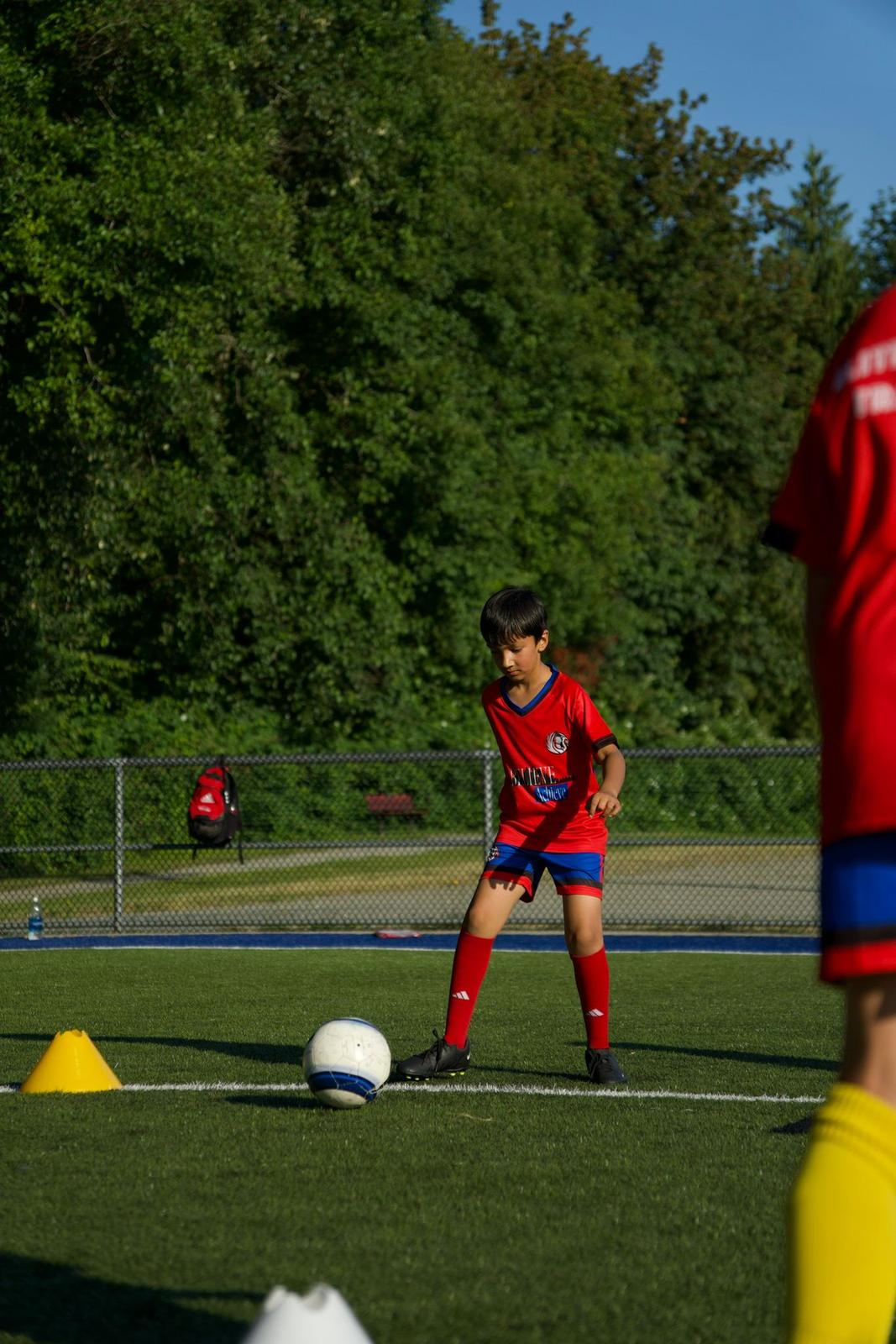
Soccer is one of the most exciting sports in the world, and millions of young players start every year dreaming of going pro. But many beginners struggle to improve because they keep repeating the same simple mistakes in training and in matches.
Whether you are just starting out or trying to sharpen your football skills, understanding these common errors can help you become a smarter, more confident player. Below are the top 10 soccer mistakes beginners make — and exactly how to fix each one so you improve faster on the field.
Ignoring Basic Ball Control
One of the biggest mistakes beginners make is focusing only on scoring goals instead of learning ball control. Without proper control, it becomes difficult to pass, dribble, or shoot effectively. Good control helps you stay calm under pressure and keep possession during matches.
How to improve
- Practice juggling every day
- Use cone drills for close control
- Train with both feet
- Spend at least 20 minutes a day touching the ball
Mastering your first touch and ball control is the foundation of great soccer training.
Watching the Ball All the Time
Many beginners stare down at the ball while dribbling. This limits awareness and makes it hard to spot teammates, defenders, or open space. Professional players keep their heads up while controlling the ball.
How to fix it
- Dribble slowly while looking forward
- Use small touches instead of pushing the ball far ahead
- Train in game-like situations
Improving field awareness can completely change your performance.
Poor Passing Technique
Bad passing is another common mistake. Beginners often strike the ball too hard or use the wrong part of the foot. Accurate passing is essential for teamwork and building attacks.
Correct passing tips
- Use the inside of your foot
- Keep your ankle locked
- Aim carefully before you pass
- Follow through toward your target
Consistent passing drills build confidence and teamwork on the field.
Skipping Warm-Ups
Some players jump into intense practice without warming up. This raises the risk of injury and lowers performance. A proper warm-up prepares the body for movement and improves flexibility.
Best warm-up routine
- Light jogging
- Dynamic stretching
- High knees
- Lunges
- Quick sprint exercises
Even 10–15 minutes of warm-up can make a huge difference.
Using Only One Foot
Most beginners rely only on their stronger foot, which makes them predictable and limits their game. Modern players need to be comfortable using both feet.
How to train both feet
- Pass against a wall using your weak foot
- Practice weak-foot shooting
- Dribble using both feet equally
- Do daily ball-touch exercises
Two-footed ability improves your balance and versatility.
Standing Still After Passing
A very common beginner habit is passing the ball and then stopping. Soccer is a fast-paced game where constant movement matters. Great players always move to create space after passing.
Improve your movement
- Practice give-and-go drills
- Move into open spaces
- Support teammates after every pass
- Stay active throughout the match
Movement without the ball is one of the most underrated soccer skills.
Trying Fancy Skills Too Early
Many new players spend too much time learning advanced tricks before mastering the basics. Skills are useful, but fundamentals come first. Before learning advanced dribbling moves, focus on the essentials.
Focus on fundamentals first
- Passing
- Ball control
- Positioning
- Shooting
- Fitness
Simple football is often the most effective football.
Poor Fitness and Stamina
Soccer demands endurance, speed, agility, and strength. Beginners often ignore fitness and only focus on playing matches. Without stamina, players tire quickly and make more mistakes.
Best fitness exercises for soccer
- Sprint intervals
- Agility ladder drills
- Squats and lunges
- Core workouts
- Endurance running
Better fitness helps you perform for the full 90 minutes.
Not Communicating with Teammates
Communication is extremely important in football. Beginners often stay silent during games, which causes confusion on the field. Good communication improves teamwork and decision-making.
Simple communication tips
- Call for the ball
- Warn teammates about defenders
- Encourage your team
- Use clear, loud instructions
Strong communication builds better team chemistry and confidence.
Giving Up Too Quickly
Perhaps the biggest mistake of all is expecting instant results. Soccer improvement takes time, patience, and consistent practice — even top footballers struggled when they first started.
Remember
- Progress takes time
- Mistakes are part of learning
- Consistency beats perfection
- Daily practice builds confidence
The players who improve the most are the ones who stay disciplined and never quit.
Final Thoughts
Every soccer player makes mistakes in the beginning. The key is learning from them and improving step by step. By avoiding these common mistakes, beginners can develop stronger skills, better confidence, and smarter decision-making on the field.
Focus on mastering the basics, improving your fitness, practising regularly, and staying mentally strong. Soccer training is a journey, and every session helps you become a better player.
Train With Elite Soccer Training
If you are serious about your football skills, our expert coaches help players improve ball control, passing, shooting, fitness, and overall game performance through high-quality training sessions. Take your game to the next level.